DIY cleaning sprays: safe, practical recipes for every room
Practical DIY cleaning spray recipes for UK homes — multi-surface, descaler, degreaser, and the mixes to avoid.
Homemade cleaning sprays are popular for a reason: fewer mystery fragrances, less plastic, and recipes that actually work when you match the ingredient to the job. They are not magic — and some mixes are unsafe — but a small set of DIY formulas covers most UK kitchens and bathrooms.
Below are practical recipes, where they shine, and what to avoid.
Which DIY Cleaners Are Worth Making?
Start with three: a multi-surface spray, a bathroom descaler, and a kitchen degreaser. That covers worktops, taps, splashbacks and most weekly messes.
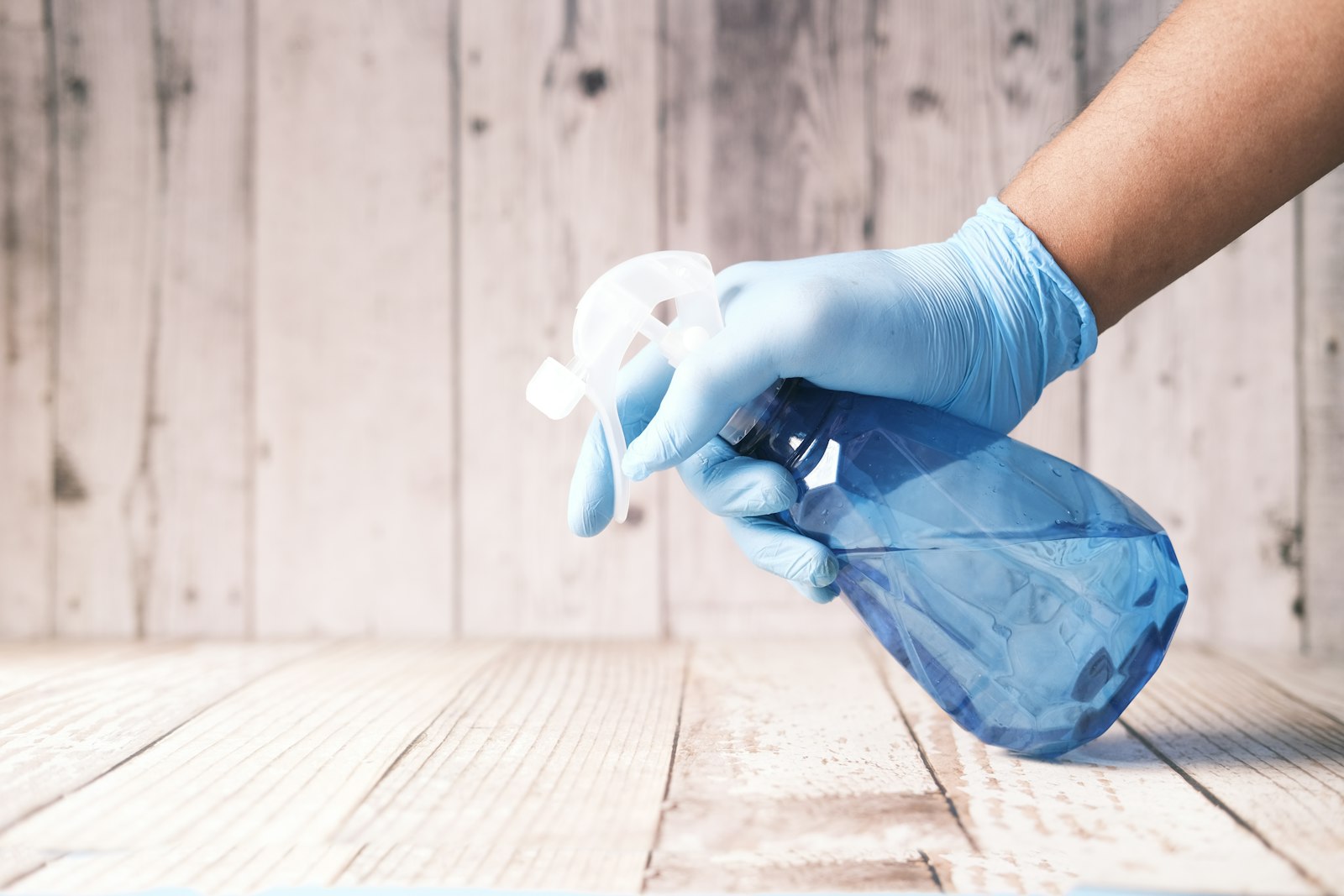
Homemade Multi-Surface Spray
- Fill a clean spray bottle with warm water
- Add a teaspoon of mild washing-up liquid
- Optional: a splash of white vinegar for glass and chrome (not stone)
- Shake gently before use
Wipe with a microfibre cloth and dry shiny surfaces to avoid streaks.
Bathroom Descaler (Hard Water)
- Equal parts white vinegar and water in a spray bottle
- Spray taps, screens and tile splash zones
- Leave 10–15 minutes
- Agitate with a soft cloth or non-scratch pad
- Rinse and dry
Never mix vinegar with bleach or products that contain chlorine. The combination releases toxic gas.
Kitchen Degreaser
- Warm water with a few drops of washing-up liquid
- For stubborn hob grease, add a bicarbonate of soda paste, leave briefly, then wipe
- Rinse food-contact surfaces afterwards
Baking soda and vinegar foam looks dramatic but is a weak cleaner once they neutralise each other — use them for agitation and rinse, not as a “super formula” left in a closed bottle.
What Should You Avoid?
- Mixing bleach with acids or ammonia
- Undiluted vinegar on natural stone, some wood finishes, or unsealed grout
- Essential oils if anyone in the home has fragrance sensitivity
- Storing mystery mixes without labels
| Surface | Safer DIY choice |
|---|---|
| Worktops (sealed) | Mild soapy water |
| Glass / chrome | Diluted vinegar, then dry |
| Wood furniture | Barely damp cloth — see our wood guide |
| Stone (marble/limestone) | Avoid vinegar; use pH-neutral soap |
When Are Shop Products Still Better?
Disinfecting after illness, oven interiors, and mould treatment often need purpose-made products. If you want a pro to bring supplies, add cleaning products in booking extras or note fragrance-free preferences.
DIY sprays keep the weekly reset cheap and controlled. For the heavy resets, book a Mundoria clean and keep your homemade kit for the top-ups in between.
Need a cleaner?
Book online with a clear estimate and live status.